


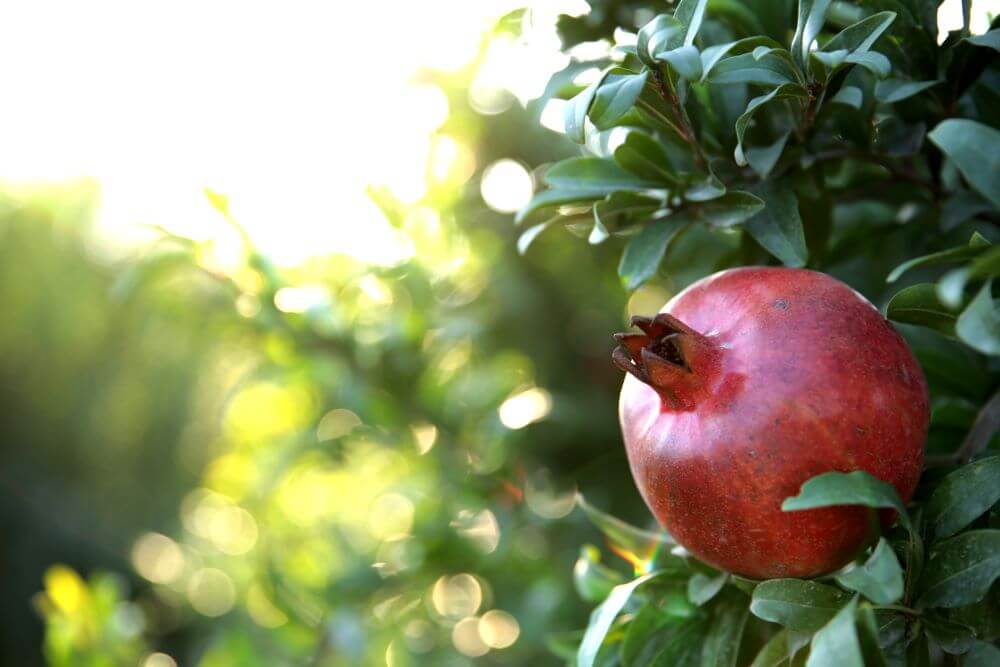
Exploring the pomegranate plant’s journey from seedling to full growth is exciting. This guide will cover its life cycle, growth, and development. Let’s start our journey to grow a pomegranate tree in your garden.
Key Takeaways
- Pomegranate trees are hardy, deciduous shrubby trees that can live for decades or even centuries.
- The pomegranate life cycle includes germination, seedling development, vegetative growth, flowering, and fruiting.
- Pomegranates typically reach maturity in 3-4 years and can grow to 4-7 meters tall.
- Pomegranate fruit takes 5-7 months to mature after flowering, with harvest occurring between March and May.
- Pomegranate trees are well-suited for USDA plant hardiness zones 7 to 10.
Understanding the Pomegranate Plant
Pomegranates are fascinating plants that have caught the eye of many. They belong to the Punicaceae family. This family has a rich history and unique features that make pomegranates great for pomegranate cultivation and pomegranate orchard management.
Botanical Characteristics
Pomegranate plants are deciduous, often growing as shrubs or small trees up to 30 feet tall. Their bright green, leathery leaves and red flowers are eye-catching. The fruit is a thick-skinned berry with a crown-like calyx at the top, holding hundreds of juicy arils.
Natural Habitat Requirements
Pomegranates love warm, Mediterranean-like climates. They prefer well-drained loam soil with a pH of 5.5 to 7.0. They can handle different soils but grow best in full sun. These plants are also good at handling drought but do better with regular water for fruit growth.
Growth Patterns and Expectations
- Pomegranate trees can live for decades, with some lasting over 200 years.
- They reach their full size, 5 to 10 meters tall, in about 5-6 years.
- Juvenile trees take 3-4 years to mature and start bearing fruit.
- In the first year, only a few fruits may appear, and they might not be the best quality or size.
Knowing the pomegranate plant’s unique traits and needs is key for success in pomegranate cultivation and pomegranate orchard management. By understanding the plant’s features, growing conditions, and growth stages, growers can create the best environment. This allows these remarkable plants to thrive and produce plenty of high-quality fruit.
Seed Selection and Preparation
Growing pomegranates from seed is a rewarding journey. It starts with choosing the right seeds. For pomegranate seed germination, pick seeds from a healthy, mature fruit. Choose the biggest and plumpest seeds you can find.
Before planting, soak the seeds in warm water overnight. This step softens the seed coat. It can also improve germination rates. After soaking, plant the seeds 5 mm deep in well-draining, fertile soil.
The best pomegranate seed germination happens at soil temperatures of 24-26°C (75-79°F). With the right seed selection and preparation, you’re on your way to growing a thriving pomegranate plant.
Germination Process and Timeline
The journey of growing a pomegranate plant starts with seed germination. Pomegranate seeds usually sprout in 10-21 days with the right conditions. It’s important to keep the soil moist and give the seeds bright, indirect light.
Optimal Germination Conditions
Pomegranate seeds do best at a temperature of 68-77°F (20-25°C). The soil pH should be between 6.0 to 7.0. Keeping the soil moist is key during germination.
Signs of Successful Sprouting
- Splitting of the seed coat
- Emergence of the radicle (first root)
- Appearance of the first green shoot
Common Germination Challenges
- Improper temperature control
- Inadequate soil moisture
- Fungal infections or pests
By keeping the right conditions and watching the seeds, gardeners can have a successful germination. This leads to a healthy pomegranate plant.
Seedling Development Stages
Starting a pomegranate plant from seed is a fun journey. From seed to a fruit-bearing tree, it’s a big change. Let’s look at the main steps in seedling growth.
The seedling starts with small, lance-shaped leaves. These leaves grow bigger and more in number. This stage lasts about 6-8 weeks after the seed sprouts.
After this, the seedling grows faster. The leaves keep coming, and the stem gets stronger. This is when the plant starts to grow more.
Watching the seedling grow is very important. It helps the plant become a strong, mature tree. Knowing about seedling growth helps gardeners and farmers take better care of their pomegranate trees.
Pomegranate Life Cycle: From Juvenile to Mature Plant
The pomegranate plant’s journey from sapling to fruit-bearing adult is amazing. It shows the plant’s adaptability and strength.
Early Growth Phase
Pomegranate trees take 3-4 years before they start to produce fruit. At this stage, they build a strong root system and grow their structure. Growers need to be patient and give them lots of care.
Transition to Maturity
When the pomegranate plant matures, it changes a lot. By 5-6 years, it grows to 5-10 meters tall. This is when it starts to produce lots of fruit, with the right care.
Adult Plant Characteristics
Pomegranate trees grow at a moderate pace. Their growth depends on climate, soil, and how they are grown. They are cold-hardy and can grow well in dry areas. Mature plants give lots of juicy, nutritious fruits. These fruits are colorful and taste great.
The pomegranate’s life cycle shows its strength and ability to adapt. From seedling to fruit-bearing adult, it’s a beautiful example of nature. By knowing about pomegranate plant development and pomegranate life cycle, gardeners can grow these trees well.
Vegetative Growth and Development
The pomegranate plant’s vegetative growth phase is key. It’s when the plant grows fast, expands its leaves, and develops branches. This stage lasts several months and is vital for the plant’s fruit production.
For the best growth, the plant needs lots of light, warmth, and food. In 2012, the U.S. had 1,056 pomegranate farms on 32,887 acres. This was up from 2007’s 599 farms and 24,517 acres. By 2012, 29,667 acres were ready to produce fruit, showing big growth.
The 2015-2016 California drought hurt pomegranate farms. Growers had to remove trees, harvest early, and get smaller fruit. This shows how important water is for pomegranate plants.
Pomegranate plants start to produce fruit after three or four years. They need alkaline soil and good drainage. Pomegranates are very drought-tolerant, but they need enough water for big fruit.
Knowing about pomegranate growth stages is key for growing them well. By focusing on the vegetative growth, growers can look forward to a good harvest later.
Flowering Process and Pollination
The pomegranate flowering process is a beautiful sight. It shows the plant’s move from growing to reproducing. Pomegranate trees have a special way of flowering. They start with female flowers and then turn male on different days.
This helps with cross-pollination. It makes sure the fruit is diverse and grows well.
Flower Types and Structure
Pomegranate flowers are colorful and varied. They can be bright red or soft pink. Each flower has a special shape and parts that help with pollination.
The flower’s design is key for moving pollen. This helps in making more flowers and fruit.
Pollination Requirements
- Pomegranates mostly pollinate themselves. But, cross-pollination makes the fruit better.
- Wind and bees help move pollen. This makes the fruit more diverse and plentiful.
- By hand pollinating, you can use a soft brush or cotton swab. This helps grow more fruit.
Factors Affecting Bloom’s Success
Many things can affect pomegranate flowers and pollination. Temperature, humidity, and water are important. The best temperature for blooming is between 20-25°C (68-77°F).
It’s also important to keep the soil moist. Bad weather or uneven watering can hurt the flowers and fruit.
| Environmental Factors | Impact on Pomegranate Flowering and Pollination |
|---|---|
| Temperature | Ideal range of 20-25°C (68-77°F) for successful blooming and pollination |
| Humidity | Fluctuations in humidity can affect pollen viability and transfer |
| Water Availability | Consistent moisture levels are crucial for optimal flower development and pollination |
Knowing about pomegranate flowering and pollination helps growers. They can use this knowledge to grow more fruit. This includes creating better growing conditions and protecting bees. And don’t forget to pick the best fertilizer for pomegranates as well.
Fruit Formation and Development
As the pomegranate plant grows, the magic starts with its fruit. After pollination, the fruit starts to grow fast. It can take 5 to 13 months for the fruit to be ready, depending on the variety and weather.
For the fruit to taste great, it needs warm weather while it’s growing. The fruit is ready to pick between March and May. This way, it can ripen properly after picking.
I watch the plants closely to make sure the fruit grows well. Each step, from pollination to storage, is important. With the right care, my orchards give me delicious pomegranates all the time.

